
You Keep Your Home
The title stays in your name, and you can keep living there for as long as you meet the loan terms.
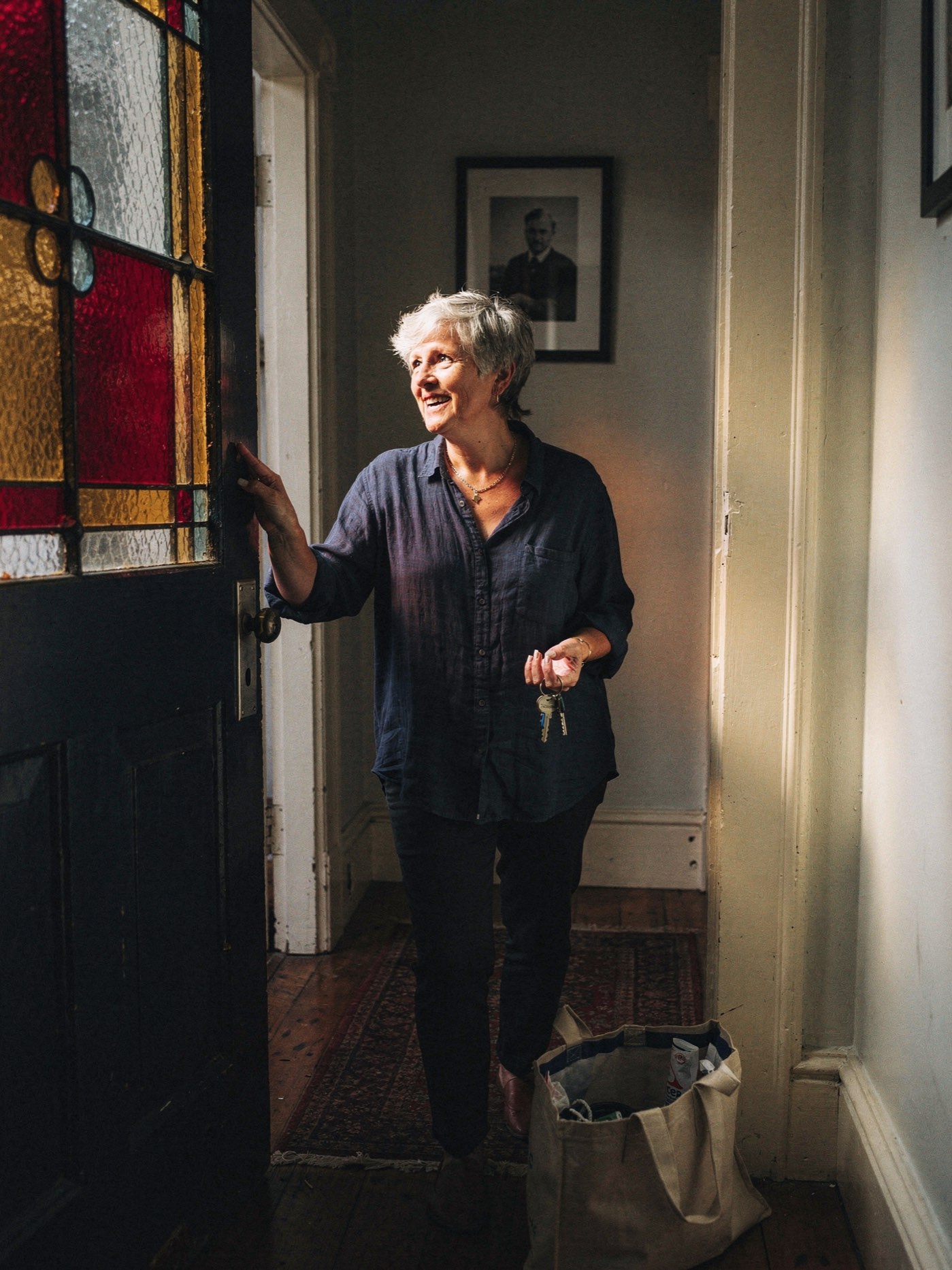
Reverse mortgages for Australian homeowners aged 60 and over
We'll model a reverse mortgage on your own home over 10, 15 and 20 years using ASIC's MoneySmart calculator, so you can see what it would cost and what would be left. You keep the printout, and there's no obligation to go ahead.
Free and no obligation. A local Loan Market Connect broker will call you to arrange a time.
The first is that the debt keeps growing until the house has to be sold and the family is left owing the difference. Before September 2012 that could happen in Australia. Since then the law has protected every new reverse mortgage, and you can't be asked to repay more than your home sells for.
The second is being talked into something. Our job is to put your numbers in front of you and answer your questions plainly. Plenty of people look at their projection and decide a reverse mortgage isn't right for them, and they're glad they had the numbers to make that call.
You can never owe more than your home is worth.
Negative equity protection is written into the National Credit Act. It applies to every reverse mortgage entered into on or after 18 September 2012, whatever happens to the property market, subject to limited exceptions we'll explain.
A reverse mortgage is a loan against the home you already own. Here's what that means from day to day.
The title stays in your name, and you can keep living there for as long as you meet the loan terms.
Nothing has to be paid while you're living in the home, though you can make voluntary repayments whenever you like.
Interest is added to the loan, so the balance grows over time and reduces what's left in your estate. We'll show you how much on your own figures.
As a lump sum, a regular top-up to your income, a cash reserve you draw from when you need it, or a mix of these.
It depends mostly on your age and what your home is worth. Lenders allow a larger share of the home's value the older you are.
The loan is usually repaid when you sell, move permanently into aged care, or when your estate is settled.
Most people picture a reverse mortgage as one big lump sum, with interest running on all of it from the first day. A drawdown facility works differently, and it usually costs a lot less.
Say you're approved for $250,000. You draw $30,000 now for the trip you've been putting off, and set up $10,000 a quarter for the kitchen so the work is paid for as it happens. The rest stays approved and untouched. Interest is only charged on what you've drawn, so the untouched part costs nothing until the day you use it.
Interest still compounds on what you do draw, and that still reduces your estate. Taking only what you need is the simplest way to keep the cost down, and it's the part of the structure we spend the most time getting right with you.
Figures are an example only and aren't a quote or an offer of credit.
Before any lender assesses you, the law requires a projection on ASIC's MoneySmart calculator. We start there, so you see the numbers first.
Illustrative only. Your projection uses your own figures on ASIC's MoneySmart reverse mortgage calculator.
Modelled on MoneySmart, showing how the loan and your remaining equity change over time. You keep a printed copy.
How the reverse mortgage lenders we work with structure their loans, including drawdown facilities, and what each would mean for you.
If the government's Home Equity Access Scheme, downsizing or leaving things as they are would suit you better, we'll tell you.
You're welcome to bring a family member, your accountant or a financial adviser. Nothing is signed on the first call.

Giving money to family can affect Age Pension entitlements, so we'll go through that with you before anything is signed.
Paying for work in stages as it happens, rather than drawing the whole amount upfront.
Including moving an existing reverse mortgage to a different lender.
A regular amount paid to you alongside the pension or your super.
Covering the cost of care for one partner while the other stays in the family home.
Not on a reverse mortgage entered into on or after 18 September 2012. Negative equity protection is part of the National Credit Act, so when the home is sold you can't be asked to repay more than it sells for. There are limited exceptions, and we'll explain them before you decide anything.
The loan is repaid from the sale of the home, and the negative equity protection means the debt can't be larger than the sale price. What your family inherits is whatever is left once the loan is repaid, which is why we show you the projection before you decide.
The government scheme charges a lower rate than private lenders. If you're over Age Pension age and only need a modest fortnightly top-up, it's often the better choice. It's more limited if you need a lump sum or you're under Age Pension age. We'll compare it with a private reverse mortgage on your numbers and tell you which suits you.
It depends mostly on your age and what your home is worth, and lenders allow a larger share of the home's value the older you are. We'll work out an estimate with you on the first call.
It can, depending on how much you draw, how you receive it and what you do with it. We'll flag anything that could affect your pension early, and we'd suggest confirming with Services Australia or a financial adviser before you go ahead.
Not always. If there's a small mortgage left on the home, a reverse mortgage can often be used to clear it, and the rest of what you're approved for is then available to you.
Nothing. The chat and the projection are free, and there's no obligation to go ahead.
Australian homeowners aged 60 and over. If you're a little younger, you're still welcome to ask, and we'll tell you what's available at your age.
Tell us a little about your situation and a local broker will call you to arrange a time. It takes about a minute.
A local Loan Market Connect broker will call you to arrange a time for your projection.
It helps to have a rough idea of what your home is worth and any debt still owing on it, but you don't need anything prepared.